


| My Rescue |
| Login to Remember your Favorite Animals and Breeds! |
Won't you consider helping him get a new start?
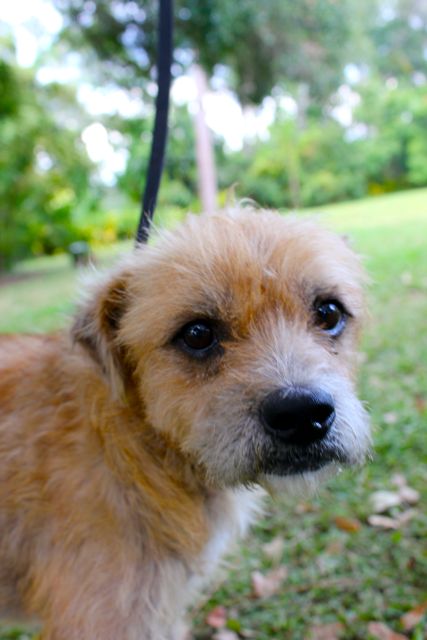
Little Frizzle was found wandering the streets with his lab friend. This sweet Terrier is definitely in need of some tender loving care to make her as beautiful as his personality but we're working on it!
Like many dogs in the South, Frizzle is heartworm positive, but don't let that stop you from adopting a great dog. We are treating him with monthly heartworm preventative, our preferred method. Many heartworm positive dogs go on to lead long and healthy lives.
PRBJ treats ALL of our dogs with monthly Heartworm preventative. HW+ dogs are treated with the recommended slow method, using monthly HW preventative as it is gentler on the animal’s system than the more invasive, injection method. Most dogs that are Heartworm positive can lead healthy, normal lives if the disease is caught early and treatment began. There are different options to treat HW and new owners may choose to redirect their type of treatment with direction of their vet. All HW+ dogs have a HW slow treatment info sheet in their adoption folder which will be provided to new owners.According to www.dogbreedinfo.com, the Norwich and Norfolk Terriers started out as one breed, but were officially separated in England in 1964. The AKC followed suit in 1979. The Norwich has prick ears and the Norfolk - dropped ears. Also, Norfolk are angular and the Norwich are more round. Norwich adapt more easily to urban life, preferring the company of humans over other dogs. The breed was officially developed in England as a small ratting dog. Later they were also used to bolt foxes that had gone to ground during a fox hunt - (so the horses and hounds could resume the chase). This small terrier could get in and out of a small burrow quite easily. As they were bred to hunt in packs, the Norwich and Norfolk Terriers tend to be more sociable than many other terriers. Today the Norwich Terrier serves primarily as a companion dog, but can still take care of vermin. Norwich Terriers are active, courageous, affectionate, balanced and without any nervousness or quarrelsomeness. They are easy to train, and need consistent rules to follow. These little dogs love everyone and are good with children. He will dig and bark if left outside for long periods of time with nothing to occupy his quick mind. They love toys and balls and are generally good with other pets, but can be difficult to housebreak. Norfolk Terriers should not be let off of their lead unless secure. They are okay joggers for short distances. Do not allow this little dog to develop Small Dog Syndrom, where the dog believes he is pack leader to humans. This can cause many varying degrees of behavior problems including, but not limited to, separation anxiety, jealousy and guarding behaviors. These little dogs were bred to work. They are energetic and thrive on an active life and need to be taken on a daily walk. While out on the walk the dog must be made to heel beside or behind the person holding the lead, as in a dog's mind the leader leads the way, and that leader needs to be the human. The Norwich Terrier will do okay in an apartment if it is sufficiently exercised. They are fairly active indoors and will do okay without a yard. The shaggy, medium-length, waterproof coat is relatively easy to care for, but daily combing and brushing is important. Little clipping is required. Take extra care when the dog is shedding. Bathe and dry shampoo only when necessary. This breed is a light shedder. They have a life expectancy of about 12-15 years.
Other Pictures of Frizzle the Terrier Mix (click to see larger version):
;) 39.6k |
;) 56.1k |
;) 61.4k |
;) 46k |
;) 106.1k |


Copyright © Pet Rescue by Judy