Welcome to Pet Rescue By Judy!
401 South Laurel Avenue
Sanford, FL 32771
(407) 302-4497
info@petrescuebyjudy.com


Linda the Sweet Girl's Web Page

| My Rescue |
| Login to Remember your Favorite Animals and Breeds! |
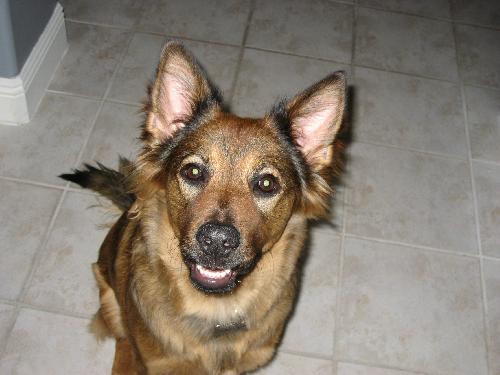
Linda the Sweet Girl needs a caretaker or foster!
Won't you consider helping her get a new start?
Won't you consider helping her get a new start?
Name: Linda the Sweet Girl
Adoption Fee: 325.00
Species: Dog
Breed: Australian Shepherd (medium coat)
Learn more about the Australian Shepherd.Color: Brown Rust
Pattern: Tricolor
Sex: Female (spayed)
Current Size: 49 Pounds
Potential Size: 55 Pounds
General Potential Size: Medium
Current Age: 16 Years 1 Month (best estimate)
Activity Level: Moderately Active
Indoor or Outdoor: Indoor Only
Good with Dogs: Yes
Good with Cats: Yes
Good with Kids: Yes
Housetrained: Yes
Microchipped: Yes
Description:
Linda came to PRBJ because her owner could no longer take care of her. She is sweet lady and loves to be with everyone at the shelter. She seems to get along with all the dogs and does not get distracted by the cats at all. When children come in she seems to come alive and wants to play. She knows simple commands and will make a wonderful family pet
According to www.dogbreedinfo.com, despite the misleading name, the Australian Shepherd is not Australian at all, but was developed entirely in the U.S. to work as a herding dog on ranches. It is possible that the name was derived from one of the dog's ancestors. The breed's principal forebears were most likely Spanish dogs that accompanied the Basque shepherds and herds of fine Merino sheep exported to both America and Australia in the early days of the colonies. At some point it probably crossed with Collie stock. It has only recently gained recognition as a distinct breed. Its many talents include, retrieving, herding, watchdogging, guarding, police work, narcotics detection, search & rescue, agility, competitive obedience and performing tricks. Australian Shepherds are easy going, perpetual puppies that love to play. Courageous, loyal and affectionate, they are excellent children's companions that are great with active children. A devoted friend and guardian, for they are naturally protective. Very lively, agile and attentive - they are eager to please, with a sixth sense about what the owner wants. Australian Shepherds are highly intelligent and easy to train. Though aggressive when at work with livestock, the Aussie is gentle with human friends. Australian Shepherds needs lots of exercise and a job to do, as the breed is very intelligent, active and easily bored. They can become nervous and destructive if left alone too much without exercise. They are naturally suspicious of strangers, so they should be well socialized as puppies. Working lines of Australian Shepherds may be too energetic to be suitable pets. Some like to nip people's heals in an attempt to herd them. They are quiet workers, unlike some breeds, which are bred to bark constantly at livestock. This breed is not usually dog aggressive. They have a life expectancy of 12-15 years. This breed is often sensitive to ivermectin; however, the dosage for heartworm preventive is considered safe. Be warned that higher doses of Ivermectin are also used to treat mange and caution should be taken.
Other Pictures of Linda the Sweet Girl (click to see larger version):
;) 37.2k |
;) 38.3k |
;) 49.3k |
;) 32.6k |
;) 57.3k |
;) 59.1k |


Copyright © Pet Rescue by Judy