Welcome to Pet Rescue By Judy!
401 South Laurel Avenue
Sanford, FL 32771
(407) 302-4497
info@petrescuebyjudy.com



Rojas Long Haired Beauty's Web Page

| My Rescue |
| Login to Remember your Favorite Animals and Breeds! |
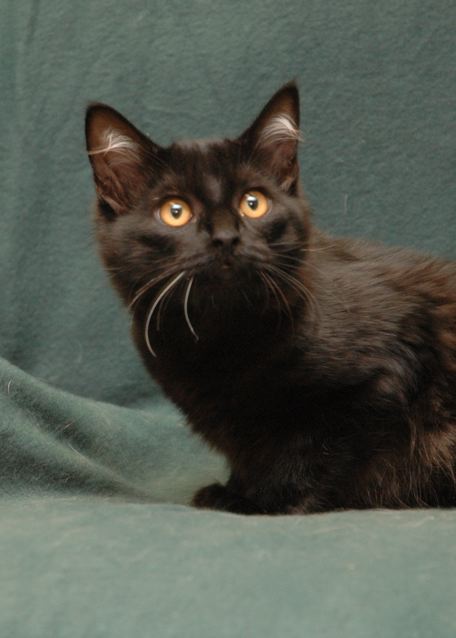
Name: Rojas Long Haired Beauty
Status: Adopted!
Adoption Fee: $150
Species: Cat
Breed: Domestic Long Hair - black (long coat)
Color: Black
Sex: Male (neutered)
Current Size: 5 Pounds
Potential Size: 10 Pounds
General Potential Size: Medium
Current Age: 17 Years 5 Months (best estimate)
Activity Level: Highly Active
Indoor or Outdoor: Indoor Only
Good with Dogs: Yes
Good with Cats: Yes
Good with Kids: Yes
Declawed: No
Housetrained: Yes
Microchipped: Yes
Rojas Long Haired Beauty must be adopted with his brother, Miles the Tabby (adopted).
Description:
Rojas' mother was found by this absolutely wonderful woman who took mom in and kept her and her babies until they could be adopted. Rojas is so beautiful that he took my breath away. His big amber eyes just pierce into you. One catch though; he has to be adopted with his brother Miles as they don't do anything without each other and probably wouldn't thrive without each other. They cuddle and groom each other all day long! Please consider taking these two into your family! We have made the adoption fee $200.00 for both.
According to www.cat-lovers-only.com, cats have been domesticated for well over 3,000 years. House cat behavior patterns, however, are really not all that different from wild cats. In fact, the basic instincts and resulting patterns of activity and rest are basically the same as they were before domestication. Long before the Egyptians and African wild cats negotiated the original deal with each other of pest control for steady food and shelter, cats were hunting, stalking, and burying their feces in sandy substrate.
Remember that what at first may be seen as bad cat behavior may have a reason behind it. Here's some insight that answers some questions on why your feline friend does certain things a certain way.
The current behavior of today's house cats with respect to chasing mice, grabbing ankles, playing with toys, tearing into arms with back claws, and litter box behavior have their origins in those ancient felines. Stalking and hunting behaviors are deeply ingrained and cannot be trained out of your cat. As feline parents, we act as surrogate mothers for our cats, and we encourage kitten-like dependency and play behavior that lasts into adulthood.
Underneath all that, however, our little bundles of fur are really just wild animals that have become our family members.
A better understanding of cat behavior will allow you to provide better cat care for your little one. Understanding your cat's point of view and her special needs will help you to better enjoy your companion animal and treat your cat more the way she wants to be treated. This can help both of you to live a more enriched life. Embracing your cat's wild nature is essential. Part of that is to refrain from attempting to inflict a human measurement of punishment on your cat for things she can't control. You can't blame your cat for behaviors like the desire to hunt or attack, or for being choosy about the food she eats, or for not using a less than clean litter box. You can't blame her for going through the processes that lead to mating, including wanting to get out and meet other cats.
What you can do, instead, is play to her instincts and needs in order to create a healthy and cat friendly environment. When you do so, you'll find that your furry companion will be much better behaved. It is highly suggested that you set up a cat sanctuary so that your cat has a safe and quiet place to rest and play.
Domestic felines are extremely territorial and will defend their territory very much as they would if they lived in the wild. Cats are opportunists, and while they bond to their people and other animals they live with, they often will go wherever they find better food or amenities. Cats mark their territory with scent glands in various areas of the body, including the face, head, and tail. They may also urine spray to mark territory. Cat spraying behavior can become a real problem if it's happening inside the home. Stray cats may spray the outside of your house and create a defensive response in your cat, which ends up manifesting in the form of spraying indoors. There are a number of things you can do to stop spraying behavior, including reducing stress.
Most indoor cats will agree to share territory and time share specific "favorite spots" with the other cats in the house. Disputes occur, but they're usually not major. Aggression between two or more cats in multi-cat households is often due to territorial disputes that go unresolved. A proper introduction in the first place can prevent a multitude of issues, but it will take s
Rojas' mother was found by this absolutely wonderful woman who took mom in and kept her and her babies until they could be adopted. Rojas is so beautiful that he took my breath away. His big amber eyes just pierce into you. One catch though; he has to be adopted with his brother Miles as they don't do anything without each other and probably wouldn't thrive without each other. They cuddle and groom each other all day long! Please consider taking these two into your family! We have made the adoption fee $200.00 for both.
According to www.cat-lovers-only.com, cats have been domesticated for well over 3,000 years. House cat behavior patterns, however, are really not all that different from wild cats. In fact, the basic instincts and resulting patterns of activity and rest are basically the same as they were before domestication. Long before the Egyptians and African wild cats negotiated the original deal with each other of pest control for steady food and shelter, cats were hunting, stalking, and burying their feces in sandy substrate.
Remember that what at first may be seen as bad cat behavior may have a reason behind it. Here's some insight that answers some questions on why your feline friend does certain things a certain way.
The current behavior of today's house cats with respect to chasing mice, grabbing ankles, playing with toys, tearing into arms with back claws, and litter box behavior have their origins in those ancient felines. Stalking and hunting behaviors are deeply ingrained and cannot be trained out of your cat. As feline parents, we act as surrogate mothers for our cats, and we encourage kitten-like dependency and play behavior that lasts into adulthood.
Underneath all that, however, our little bundles of fur are really just wild animals that have become our family members.
A better understanding of cat behavior will allow you to provide better cat care for your little one. Understanding your cat's point of view and her special needs will help you to better enjoy your companion animal and treat your cat more the way she wants to be treated. This can help both of you to live a more enriched life. Embracing your cat's wild nature is essential. Part of that is to refrain from attempting to inflict a human measurement of punishment on your cat for things she can't control. You can't blame your cat for behaviors like the desire to hunt or attack, or for being choosy about the food she eats, or for not using a less than clean litter box. You can't blame her for going through the processes that lead to mating, including wanting to get out and meet other cats.
What you can do, instead, is play to her instincts and needs in order to create a healthy and cat friendly environment. When you do so, you'll find that your furry companion will be much better behaved. It is highly suggested that you set up a cat sanctuary so that your cat has a safe and quiet place to rest and play.
Domestic felines are extremely territorial and will defend their territory very much as they would if they lived in the wild. Cats are opportunists, and while they bond to their people and other animals they live with, they often will go wherever they find better food or amenities. Cats mark their territory with scent glands in various areas of the body, including the face, head, and tail. They may also urine spray to mark territory. Cat spraying behavior can become a real problem if it's happening inside the home. Stray cats may spray the outside of your house and create a defensive response in your cat, which ends up manifesting in the form of spraying indoors. There are a number of things you can do to stop spraying behavior, including reducing stress.
Most indoor cats will agree to share territory and time share specific "favorite spots" with the other cats in the house. Disputes occur, but they're usually not major. Aggression between two or more cats in multi-cat households is often due to territorial disputes that go unresolved. A proper introduction in the first place can prevent a multitude of issues, but it will take s
Other Pictures of Rojas Long Haired Beauty (click to see larger version):
;) 25.2k |


Copyright © Pet Rescue by Judy